Key Takeaways
- If you only buy one bean for lattes, make it this: Partners Coffee Roasters (sweet, chocolatey) and Lavazza Gran Crema (affordable, forgiving).
- Best Beans for Neat Shots: George Howell (clarity) and Blue Bottle (balanced acidity).
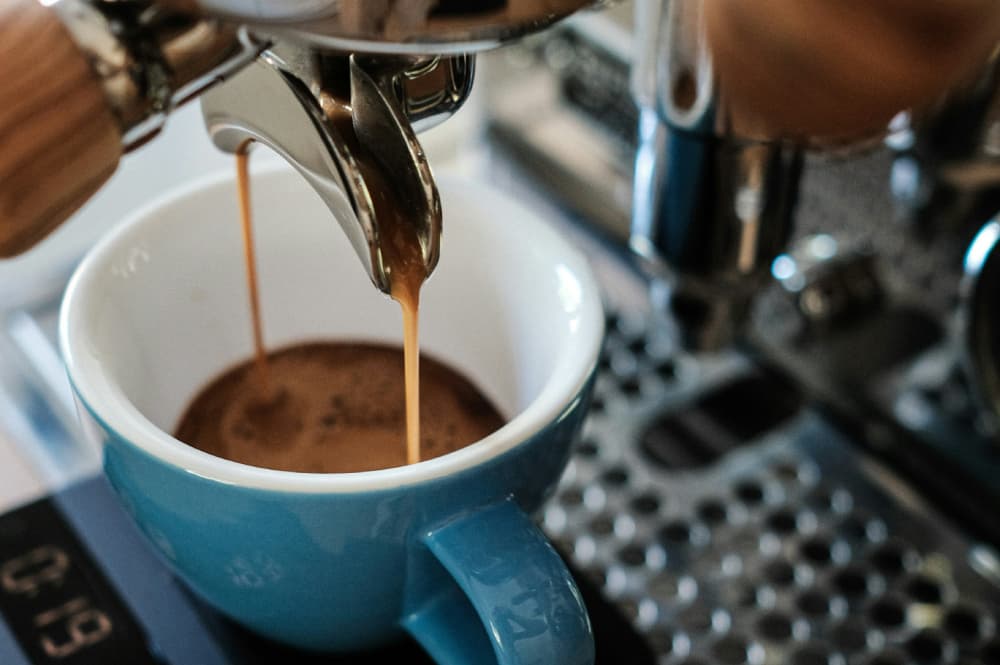
- Barista Secret: A dose of 18g yield 36g in 25-30 seconds is the industry standard baseline for most medium roasts.
- Espresso Cups Matter: Double-walled ceramic or thick porcelain maintain thermal stability for tasting notes.
- Acidity Fix: If shots are sour, increase yield slightly (e.g., 18g in, 40g out) or lower brew temperature by 1°C.
What Are the Best Espresso Beans for Lattes, Americanos, and Lungos?
For lattes, choose beans with chocolate and nut notes (medium-dark roast). For Americanos, balanced beans with body and brightness work. For lungos (long shots), select light-medium roasts with clean acidity to avoid bitterness.
I tried 15 espresso beans to find the best ones across three classic drinks. The data below shows my top picks based on crema quality, flavor profile, and compatibility with milk or water dilution.
| Drink Type | Best Bean | Roast Level | Flavor Profile | Price per 12oz |
| Latte | Partners Coffee Roasters | Medium-Dark | Milk chocolate, caramel | $18.00 |
| Americano | George Howell | Medium | Stone fruit, bright acidity | $20.00 |
| Lungo | Ritual Coffee | Light-Medium | Lemon zest, floral | $19.00 |
| All-Purpose | Lavazza Gran Crema | Dark | Spice, heavy crema | $11.00 |
How Do I Choose the Best Coffee Beans for Espresso?
Ignore marketing. Focus on roast date, origin, and how forgiving the beans are for your setup.
Here’s the uncomfortable truth:
- “Espresso Blend” means nothing without freshness
Beans older than 30 days? You’ve already lost crema and flavor. - Freshness beats brand—every time
A fresh local roast will outperform stale premium beans. - Origin dictates flavor (not hype):
- Brazil / Colombia → chocolate, nuts (best for milk)
- Ethiopia → fruity, acidic (best for straight shots)
- Pre-ground coffee is a dealbreaker
Espresso requires precision. If you’re not grinding fresh, you’re not making real espresso—just strong coffee.
If your espresso tastes bad, don’t blame your machine first. 80% of the time, it’s your beans.
Which Espresso Beans Are Best for Straight (Neat) Shots?
For straight espresso (neat), choose single-origin beans with clarity and brightness. Top picks include The Captain blend (Kenya, Colombia, Sumatra) for fruit-forward notes and Blue Bottle Hayes Valley for balanced complexity.
For those who drink espresso neat, look for blends with brightness and clarity. Options like The Captain (Kenya, Colombia, Sumatra) bring fruit-forward notes — specifically red apple and dark cherry. These flavors dissolve cleanly without the bitter tail common in dark roasts. However, these beans require precise dialing: a deviation of 0.5g in dose can make the shot taste grassy or sour. Use a precision basket (e.g., VST or IMS) for best results.
How Should a Professional Barista Dial In Espresso?
Use a 1:2 ratio (e.g., 18g dose, 36g yield) in 25-30 seconds. If the shot runs too fast (gushing), grind finer. If it drips slowly, grind coarser. Always taste: sour means under-extracted, bitter means over-extracted.
The following recipe is a great baseline to work from, and should give you nice results with most coffees. Dose: 18 grams. Yield: 36 grams of liquid in cup. Time: 28-30 seconds. Here is the barista troubleshooting matrix used by World Barista Championship competitors:
- Sour shot + fast flow: Grind finer by 2-3 notches. If still sour, increase yield to 40g.
- Bitter shot + slow drip: Grind coarser. Check water temperature (should be 92-96°C for medium roasts).
- No crema: Beans are stale (older than 30 days) or Robusta content is too low. Use fresh beans or add 10% Robusta.
- Channeling (spraying): Use a distribution tool (WDT) to break clumps before tamping.
What’s the Best Roast Level for Home Espresso?
If you’re using a home espresso machine, medium to medium-dark roast is not just recommended—it’s mandatory for consistent results.
Most beginners make the same mistake: they buy light roast beans because they sound “premium.” In reality, light roasts are unforgiving and often taste sour on home machines that lack precise temperature control and pressure stability.
Here’s the truth:
- Medium-Dark Roast = Safe Zone
Sweet, balanced, thick body, easy to dial in. Works on almost any machine. - Light Roast = High Risk, High Skill
Requires higher temperature (96–98°C), perfect grind, and advanced technique. Otherwise? Sour, thin, disappointing shots. - Dark Roast = Easy but Dangerous
Extremely forgiving—but push it slightly too far and you’ll get burnt, ashy espresso with no complexity.
If your machine is under $1000, stop experimenting—use medium or medium-dark roast.
That’s what most cafés use for a reason: it delivers consistent, repeatable results.
How Do Robusta vs Arabica Beans Affect Espresso?
If you care about flavor, go Arabica. If you care about crema and caffeine punch, add Robusta. The best espresso blends use both strategically.
Let’s be blunt:
- 100% Arabica = Cleaner, sweeter, more complex
This is what specialty coffee shops use. You’ll taste chocolate, fruit, acidity—but crema will be thinner. - Robusta = Ugly flavor, beautiful crema
On its own, Robusta tastes harsh, rubbery, and bitter. But it produces thick, golden crema and almost double the caffeine. - 80/20 Blend (Arabica/Robusta) = The Sweet Spot
This is the Italian standard—and it works. You get:- Better crema
- Stronger body
- More forgiving extraction
If your espresso looks weak and flat, you don’t need a new machine—you need some Robusta in your blend.
Which Espresso Cups Should You Use for the Best Flavor?
For straight espresso, stop using generic “espresso blends.” You need beans with clarity—even if they’re harder to dial in. Here’s where most people get it wrong:
- They use dark, chocolatey beans meant for milk drinks
- Then wonder why their straight shot tastes flat, bitter, and boring
Reality:
- Straight espresso exposes everything
There’s no milk to hide flaws. Bad beans = bad experience. - You want brightness, not heaviness
Think:- Red apple
- Dark cherry
- Citrus acidity
- Beans like complex blends (Kenya, Colombia, Sumatra) or brands like Blue Bottle Coffee work because they deliver layered flavor, not just strength
But here’s the catch:
These beans are brutally sensitive.
A tiny mistake:
- +0.5g dose
- 2 seconds off extraction
…and your shot turns:
- Sour → grassy
- Over-extracted → harsh
If you don’t enjoy dialing in, don’t use these beans. Stick to medium blends.
Frequently Asked Questions About Espresso Beans and Equipment
Can I use any coffee bean for espresso?
Yes, but the extraction becomes challenging. Long answer: Light-roast beans require precise techniques (pre-infusion, higher temp) which home machines lack. Medium-dark roasts are safest.
How long do espresso beans stay fresh?
Beans reach peak flavor 5-10 days after roasting. They remain usable for up to 1 month if stored in an airtight, opaque container away from heat. Do not refrigerate.
What’s the best water temperature for espresso?
93-96°C for medium roasts. Light roasts need 96-98°C. Dark roasts need 88-92°C. Never use boiling water (100°C) directly on grounds.
How many grams of espresso beans for a double shot?
Standard is 18g in, 36g out. For a ristretto, use 18g in, 20g out. For a lungo, use 18g in, 50g out.
Do I need a grinder for espresso?
Yes. Pre-ground coffee cannot achieve the fine, uniform grind required for 9-bar pressure. A burr grinder (e.g., Baratza Sette 270, Mazzer Mini) is essential.
Related Stories

Petang’s Paradise: Discovering Bali’s Hidden Waterfalls, Lush Landscapes, and Local Charm
Decoding Dark Roast Coffee: Flavor, Myths, and Brewing